Safety & Compliance in Industrial Automation: Why It Matters More Than Ever
In today’s rapidly evolving industrial landscape, safety and compliance are no longer optional—they are essential components of operational success. Whether managing a manufacturing plant, commercial building, power facility, or process industry, organizations must ensure that their automation systems meet the highest standards of safety, reliability, and regulatory compliance.
Understanding Industrial Safety
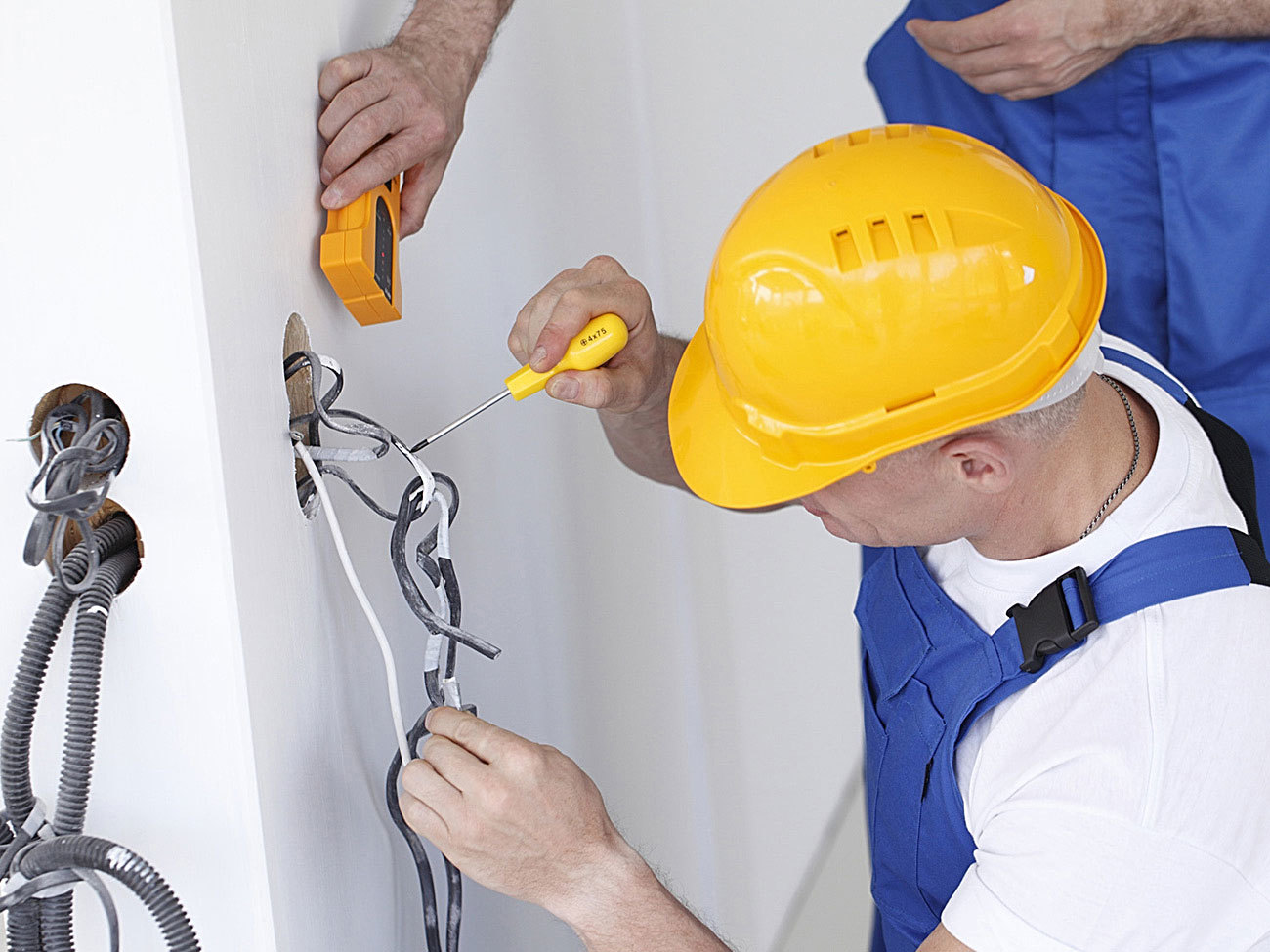
Industrial automation systems rely on a wide range of devices, including sensors, transmitters, actuators, controllers, and monitoring equipment. These devices play a critical role in detecting hazardous conditions, monitoring operational parameters, and preventing equipment failures before they become costly incidents.
For example, temperature sensors can identify overheating equipment, pressure transmitters can detect abnormal process conditions, and smoke detection systems can provide early warning of potential fire hazards. Together, these technologies help create safer working environments while protecting valuable assets.
The Importance of Compliance
Compliance refers to adhering to industry regulations, standards, and certifications that ensure equipment operates safely and effectively. Regulatory requirements vary across industries, but common standards include:
ISO Quality Standards
CE Certification
RoHS Compliance
IEC Standards
Occupational Safety Regulations
Environmental Protection Requirements
Using compliant products helps organizations reduce operational risks, avoid legal penalties, and maintain customer confidence.
Key Benefits of Safety-Compliant Automation Systems
1. Reduced Workplace Risks
Properly installed and certified automation equipment helps identify potential hazards before they escalate into accidents, protecting both personnel and facilities.
2. Improved System Reliability
Certified sensors, transmitters, and control devices are designed to perform consistently in demanding industrial environments, reducing unexpected downtime.
3. Enhanced Regulatory Compliance
Organizations can meet local and international safety regulations more easily when using approved and tested equipment.
4. Lower Maintenance Costs
Reliable monitoring systems provide accurate data that supports predictive maintenance strategies, helping reduce costly emergency repairs.
5. Better Operational Efficiency
Safe and compliant systems contribute to smoother operations, increased productivity, and improved process control.
The Role of Modern Sensors and Transmitters
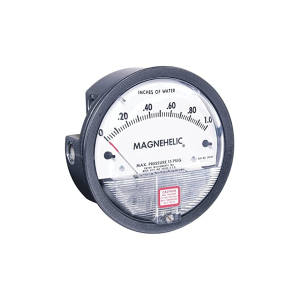
Modern industrial sensors and transmitters are becoming increasingly intelligent. Advanced devices can communicate real-time data to monitoring platforms, allowing operators to respond quickly to abnormal conditions.
Applications include:
Temperature monitoring
Pressure measurement
Humidity control
Air quality monitoring
Smoke and fire detection
HVAC system management
Industrial process control
These technologies not only improve safety but also support energy efficiency and sustainability initiatives.
Building a Safer Future
As industries continue to adopt Industry 4.0 technologies and connected automation systems, the importance of safety and compliance will only increase. Investing in certified, high-quality instrumentation and control solutions helps organizations protect their people, equipment, and operations while maintaining compliance with evolving regulations.
Safety is not simply about meeting standards—it’s about creating a culture of reliability, responsibility, and continuous improvement.
Organizations that prioritize safety and compliance today will be better positioned to achieve long-term operational excellence tomorrow.


Add comment