In today’s fast-moving industrial world, automation is no longer a luxury — it is a necessity. From commercial buildings to factories and HVAC systems, businesses rely on intelligent electronic solutions to improve efficiency, safety, and performance. This is where brands like Fluxera play a vital role by offering advanced heat sensors, temperature sensors, damper actuators, and industrial transmitters designed for modern automation systems.
What Are Industrial Sensors and Why Are They Important?
Industrial sensors are devices that detect physical changes such as temperature, pressure, humidity, airflow, or motion and convert them into measurable signals. These signals help automation systems monitor conditions and respond instantly. Sensors and transducers are widely used in HVAC systems, smart buildings, manufacturing plants, and energy management systems.
Temperature and heat sensors are among the most commonly used devices in industrial environments. They help maintain safe operating temperatures, prevent overheating, and ensure equipment runs efficiently. Modern HVAC systems also depend on temperature and humidity transmitters for maintaining indoor comfort and air quality.
Fluxera’s Electronic Solutions for Smart Control
Fluxera provides a range of electronic products built for industrial automation and environmental monitoring. Their solutions are designed to improve operational efficiency, enhance safety, and support intelligent control systems.
Heat & Temperature Sensors
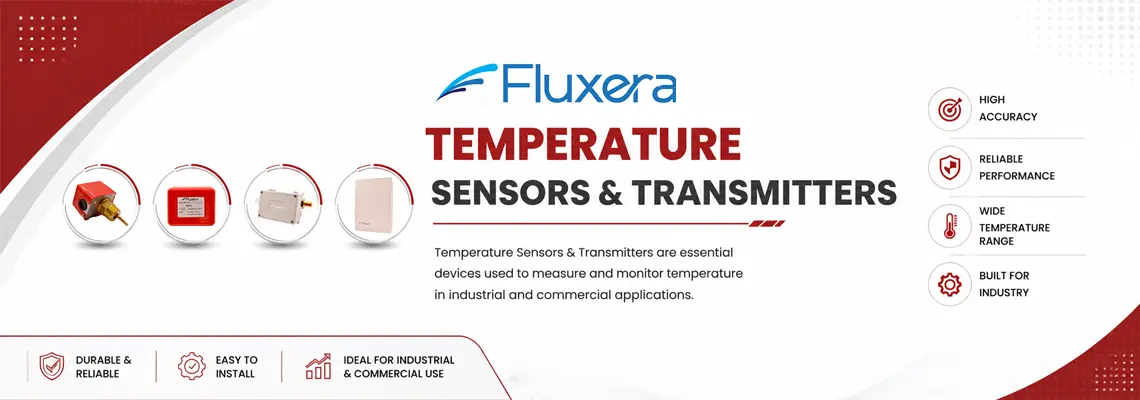
Temperature sensors are essential in industries where accurate heat monitoring is critical. These sensors continuously measure environmental or equipment temperature and send signals to automation systems for real-time control. They are commonly used in:
- HVAC systems
- Industrial machinery
- Cold storage facilities
- Electrical panels
- Smart buildings
Modern HVAC temperature sensors can measure ambient temperature, duct temperature, and pipe temperature for precise climate control.
Damper Actuators for HVAC Automation
Damper actuators are key components in ventilation and air control systems. They regulate airflow by controlling the opening and closing of dampers inside ducts. Automated damper systems help maintain energy efficiency and balanced airflow throughout commercial and industrial buildings.
Motorized dampers offer accurate fresh-air control and improve ventilation performance in modern HVAC installations.
With reliable damper actuators, businesses can:
- Reduce energy consumption
- Improve indoor air quality
- Optimize airflow management
- Enhance building automation performance
Industrial Transmitters Explained
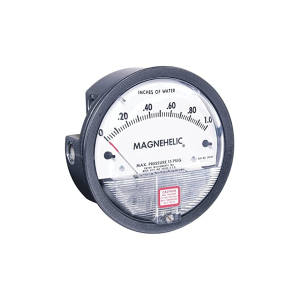
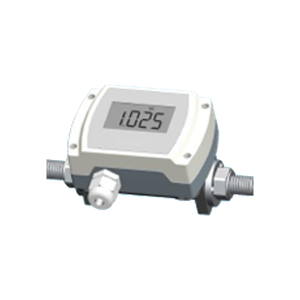
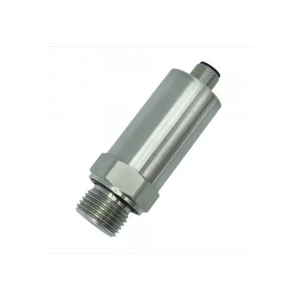
Transmitters convert physical measurements into standardized electrical signals that automation systems can understand and process. These devices are widely used for temperature, pressure, humidity, and flow monitoring.
Common transmitter applications include:
- Factory automation
- Process control systems
- HVAC monitoring
- Smart energy systems
- Environmental monitoring
Modern transmitters support analog and digital communication standards such as 4–20 mA, Modbus, and smart automation protocols.
Why Businesses Choose Smart Automation Products
As industries move toward smarter infrastructure and intelligent buildings, demand for reliable automation components continues to grow. Businesses are investing in advanced sensors, actuators, and transmitters to achieve:
- Better operational efficiency
- Lower maintenance costs
- Improved energy management
- Enhanced safety and reliability
- Real-time monitoring and control
Industrial automation systems rely heavily on sensors and actuators to maintain consistent performance and support predictive maintenance strategies.
The Future of Automation with Fluxera
Fluxera aims to support modern industries with reliable electronic solutions that meet the growing demand for smart automation. From heat sensors and transmitters to damper actuators, Fluxera products help businesses create safer, smarter, and more energy-efficient environments.
As automation technology continues to evolve, intelligent sensing and control systems will remain at the center of industrial innovation.


Add comment